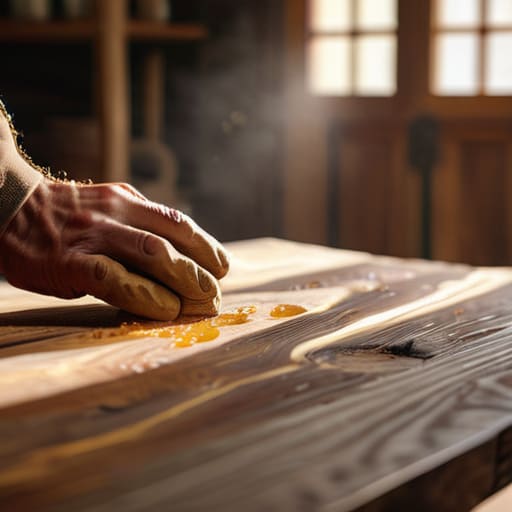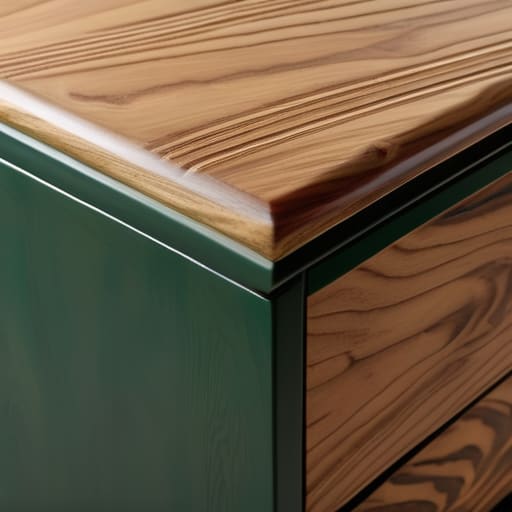
I remember sitting on the dusty floor of my parents’ old gallery, surrounded by the scent of beeswax and aged cedar, watching my father breathe life into a discarded mahogany sideboard. He wasn’t just applying a finish; he was choosing whether to reveal the timber’s heartbeat or to give it an entirely new identity. I see so many DIYers today getting paralyzed by expensive, over-engineered tutorials that make choosing a finish feel like rocket science, when really, understanding the fundamental difference between wood stains and paints is more about intuition than a chemistry degree. You aren’t just picking a product; you are deciding if you want to celebrate the history written in the grain or paint a brand-new dream over it.
Once you’ve mastered the art of prepping your surface, you might find yourself craving a bit of extra inspiration or a space to share your creative breakthroughs with others who truly get the magic of transformation. Sometimes, the best way to fuel your design soul is to connect with a wider world of vibrant perspectives, much like how I find solace in the USA chat community when I need a spark of human connection to kickstart a new project. Finding that creative kinship can be the secret ingredient that turns a solitary DIY afternoon into a truly soul-stirring journey of discovery.
I’m not here to sell you on some high-end, professional-only myth that says you need a studio full of gear to get it right. Instead, I’m going to pull back the curtain and share the honest, messy, and beautiful reality of how these two mediums actually behave in your hands. We’re going to strip away the jargon so you can confidently decide whether to let the wood’s soul shine through or to transform a piece into a bold, futuristic masterpiece.
Embracing Wood Grain Visibility With Translucent vs Opaque Wood Coatings
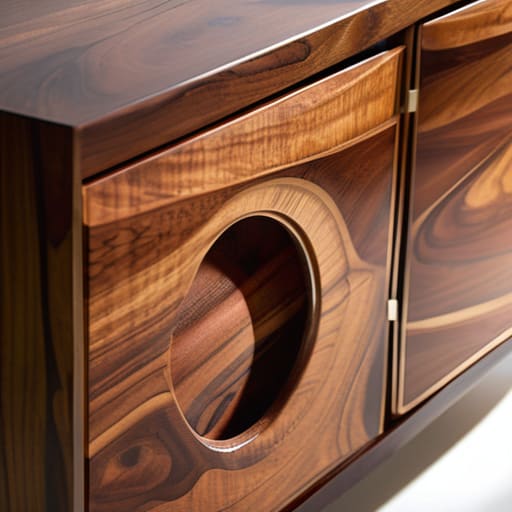
When we talk about translucent vs opaque wood coatings, we’re really talking about how much of the wood’s history you want to invite into the room. I always say that choosing a stain is like having a deep, soulful conversation with a piece of timber; you’re highlighting its unique character, every swirl and knot, ensuring that the wood grain visibility remains the star of the show. When I upcycled “Barnaby,” my mid-century sideboard last spring, I opted for a deep walnut stain because I wanted those organic lines to dance under the light.
On the other hand, choosing paint is like giving a piece of furniture a complete metamorphosis—a brand new identity entirely. While paint offers a solid, uniform color that can mask imperfections, it essentially creates a new skin over the wood. If you’re looking for the best finish for outdoor furniture that can withstand the whims of nature while hiding the wear and tear of the elements, an opaque layer might be your best friend. It’s all about deciding whether you want to celebrate the wood’s natural rhythm or rewrite its story from scratch.
Mastering Surface Preparation for Wood Finishing to Set Your Stage
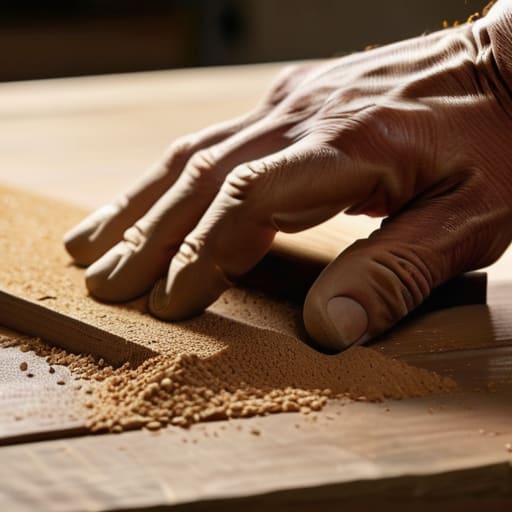
Before we even dream of the color or the sheen, we have to talk about the foundation. I always tell my clients that skipping the prep work is like trying to build a lush, miniature rainforest in a terrarium without first tending to the soil; it might look okay for a moment, but it won’t thrive. Proper surface preparation for wood finishing is where the real magic begins. Whether you’re working on a vintage vanity I’ve affectionately named “Luna” or a rugged garden bench, you need to sand away the ghosts of previous finishes. This ensures that your chosen medium—be it a deep, moody stain or a vibrant, futuristic lacquer—can actually bond with the fibers rather than just sitting precariously on top.
If you’re aiming for that perfect balance of wood protection and aesthetics, don’t rush the cleaning phase. Dust is the ultimate enemy of a smooth finish; even a tiny speck can disrupt the way light dances across your new masterpiece. I like to use a tack cloth to make sure every nook and cranny is pristine. Taking this extra time ensures that your final layer looks intentional and professional, rather than a rushed afterthought.
Five Little Secrets to Choosing Your Wood’s New Destiny
- Listen to the wood’s heartbeat first; if you fall in love with those swirling, organic grain patterns, reach for a stain to celebrate them, but if you’re dreaming of a sleek, futuristic pop of color, let paint be your bold new canvas.
- Consider the “drama factor” of your space—stains offer a gentle, nostalgic whisper of warmth that feels grounded and earthy, whereas a thick, opaque paint can transform a piece into a high-energy, eclectic statement that commands the room.
- Don’t forget about the maintenance dance; stains are wonderful for letting you see the natural texture, but they can be a bit more finicky to touch up, while a good quality paint provides a durable, protective shield that’s often easier to refresh when your creative whims change.
- Think about the light in your room, because stain tends to dance with the natural sunlight to create depth and shadows, while paint reflects light more uniformly, which can either brighten a dark corner or make a vibrant piece glow like a neon dream.
- Match your choice to the “personality” of the piece—I always say if I’m working on a vintage find I’ve named ‘Barnaby,’ a rich walnut stain honors his history, but if I’m upcycling a modern chair for a techno-boho vibe, a crisp, matte paint gives him a whole new soul.
Finding Your Finish: The Final Brushstroke
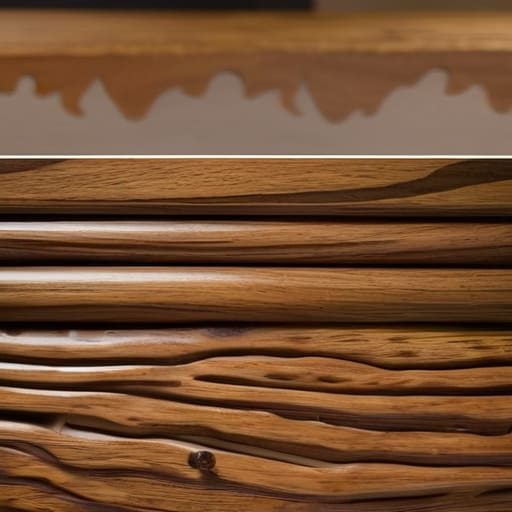
As we wrap up our little journey through the textures and tones of wood finishing, remember that there is no wrong choice, only different ways to tell a story. Whether you decide to embrace the organic, rhythmic dance of the natural grain with a deep, soulful stain, or you opt to completely reinvent a piece—like I did last week with ‘Barnaby,’ my newly upcycled mid-century sideboard—using a bold, opaque paint, you are the architect of the mood. We’ve looked at how translucency lets the timber breathe and how meticulous preparation ensures your vision actually sticks. Choosing between stain and paint is essentially deciding whether you want to highlight the history already written in the wood or if you’re ready to write a brand-new chapter entirely.
At the end of the day, your home shouldn’t just look like a showroom; it should feel like a living, breathing extension of your own imagination. Don’t let the fear of a single brushstroke hold you back from experimenting with these beautiful mediums. Whether you’re leaning into a moody, bohemian forest vibe or a sleek, futuristic pop of color, let your intuition guide your hand. Every time I pick up a brush, I feel like I’m planting a seed in one of my tiny terrariums—it’s about nurturing a space until it blooms into something truly magical. So, go ahead, grab your supplies, and transform your world one layer at a time.