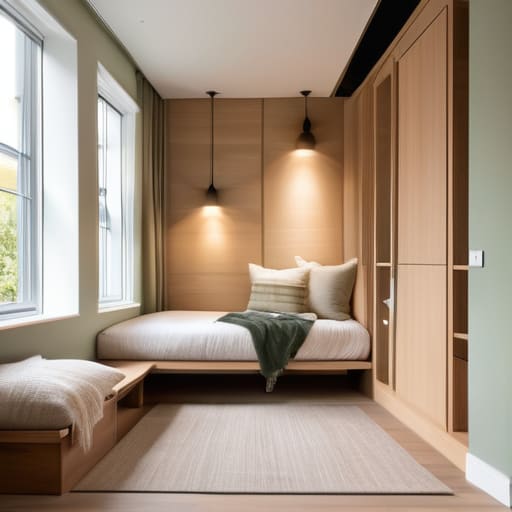
I remember sitting on my living room floor three years ago, staring at a pile of “minimalist” decor that was supposed to be calming but actually felt like a sensory minefield. The harsh overhead lighting was bouncing off every white surface, and the open-concept floor plan meant every single clatter from the kitchen sounded like a physical blow to my skull. I realized then that most advice on a neuro-diverse home layout is completely disconnected from how our brains actually process space. People keep pushing these expensive, sterile “zen” aesthetics that look great on Pinterest but are practically unusable for anyone who actually deals with sensory overload or executive dysfunction.
I’m not here to sell you on a high-end interior design overhaul or some overpriced “sensory kit.” Instead, I want to talk about what actually works when you’re living in the real world. I’m going to share the practical, no-nonsense tweaks I’ve learned through trial and error—the kind of stuff that focuses on zoning, lighting, and flow rather than just buying more stuff. We’re going to look at how to build a space that actually supports your brain instead of constantly fighting against it.
Table of Contents
Designing Low Stimulation Environments for Deep Focus
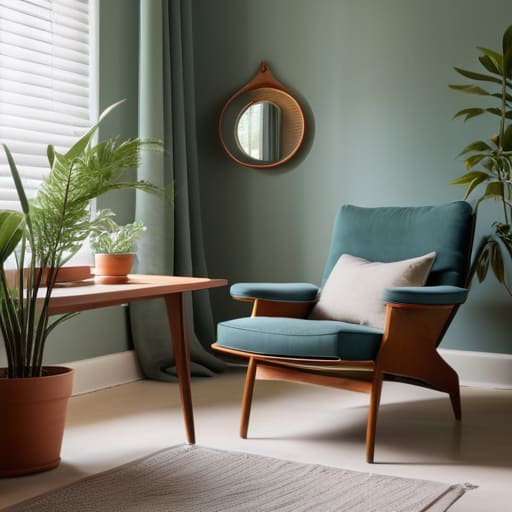
If you struggle to get anything done because the world feels too “loud,” your home needs to act as a buffer, not a megaphone. Creating low-stimulation environments isn’t about living in a sterile white box; it’s about intentionality. Think about the visual noise in your workspace. A cluttered bookshelf or a bright, patterned rug can feel like a constant, nagging interruption to your brain. To combat this, try to lean into calming color palettes for neurodivergence—think muted sages, soft terracottas, or deep, dusty blues. These tones absorb the visual energy of a room rather than bouncing it back at you, helping to settle your nervous system so you can actually settle into a task.
Beyond just the colors, pay attention to how light and sound move through the space. Harsh overhead lighting is often the enemy of deep focus, so layering in dimmable lamps or sheer window treatments can make a massive difference. When you focus on reducing sensory overload at home through these small, tactile adjustments, you aren’t just decorating; you’re building a sanctuary that respects how your brain processes the world.
Navigating Spatial Awareness in Home Design
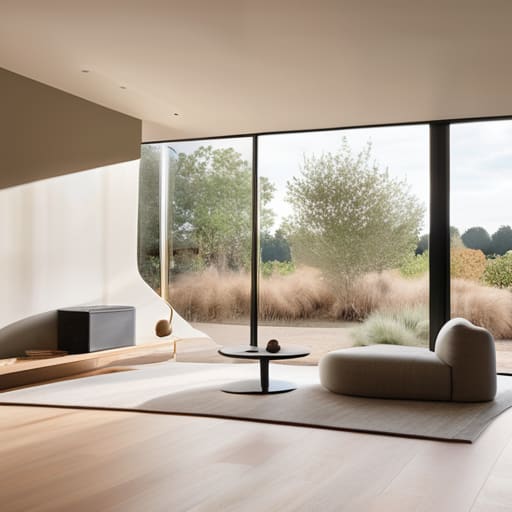
It’s easy to overlook how much the physical “flow” of a room affects your internal compass. For many of us, a cluttered or poorly mapped-out room isn’t just an eyesore; it’s a constant source of cognitive friction. When furniture is placed haphazardly or walkways are blocked by unnecessary decor, it can trigger a sense of being trapped or constantly “on edge.” Effective spatial awareness in home design means more than just choosing pretty pieces; it’s about creating clear, predictable paths that allow your body to move through a room without having to constantly recalculate its position.
Think of your floor plan as a way to reduce the mental energy required just to exist in a space. Instead of cramming every corner with objects, try to prioritize intentional breathing room. This approach is a cornerstone of sensory-friendly interior design, where the goal is to minimize the “visual noise” that competes for your attention. By keeping pathways wide and furniture groupings purposeful, you create a sense of physical predictability that helps ground your nervous system, making the home feel like a sanctuary rather than an obstacle course.
Small Tweaks for a Much Calmer Flow
- Ditch the open-concept trap; you don’t need a giant, echoing hall. Instead, use bookshelves or even just a well-placed rug to create “zones” that tell your brain exactly what it’s supposed to be doing in that specific spot.
- Lighting is everything, so stop relying on that one harsh overhead light that feels like a spotlight. Layer in some dimmable lamps or warm LED strips so you can actually control the “vibe” when the world gets too loud.
- Create a “sensory reset” corner—a tiny, dedicated nook with a comfortable chair and zero visual clutter where you can retreat when you feel a meltdown or burnout coming on.
- Manage the visual noise by closing the doors on the “messy” parts of your life. If you can’t organize it, hide it behind a curtain or inside an opaque bin so your eyes aren’t constantly snagging on unfinished tasks.
- Think about your pathways; make sure you aren’t constantly bumping into furniture or navigating a maze of cords. A predictable, clear walking path reduces that subconscious “spatial anxiety” that builds up throughout the day.
The Bottom Line: Making Your Space Work for You
Stop trying to force your home to look like a Pinterest board and start prioritizing how it actually feels to move through it.
Small, intentional shifts—like controlling light or managing floor clutter—can be the difference between a meltdown and a productive afternoon.
Your home shouldn’t be a puzzle you’re constantly trying to solve; it should be the one place where your brain finally gets to exhale.
## The Soul of the Space
“A home shouldn’t just be a collection of rooms; it needs to be a sensory sanctuary where the layout works with your nervous system rather than constantly picking a fight with it.”
Writer
Making It Work for You
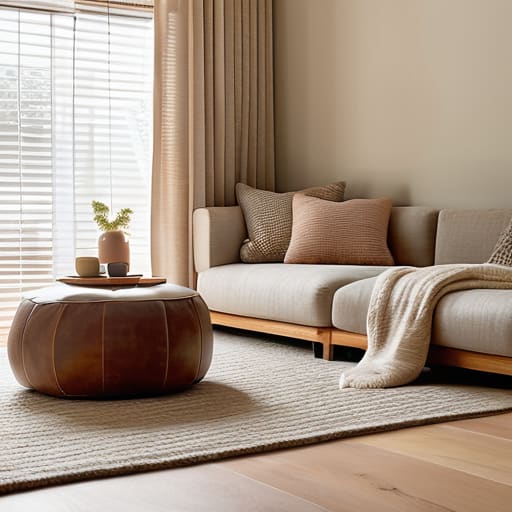
It’s also worth remembering that you don’t have to figure all of this out in a vacuum. Sometimes, just seeing how other people have tackled these same sensory hurdles can give you that lightbulb moment you’ve been looking for. If you’re feeling stuck on how to balance aesthetics with actual functionality, I’ve found that checking out resources like sex bradford can be a total game-changer for finding fresh perspectives on how to make a space truly feel like home.
At the end of the day, creating a neuro-diverse home isn’t about following a strict set of architectural rules or buying a specific brand of minimalist furniture. It’s about the intentional dance between your environment and your nervous system. We’ve looked at how lowering sensory input can save your focus and how being mindful of spatial flow can stop that constant, nagging feeling of being overwhelmed. Whether you are carving out a quiet corner for deep work or rearranging your living room to better manage spatial awareness, every small tweak is a step toward a home that finally works with your brain instead of constantly fighting against it.
Please remember that your home is a living, breathing project, not a finished museum piece. There will be days when a layout that worked perfectly last month suddenly feels too loud or too cluttered, and that is perfectly okay. You are allowed to pivot, to move the sofa, or to add a heavy curtain whenever you need to. Your space should be a sanctuary of adaptation, evolving right alongside your needs. Stop trying to build a “perfect” house and start building a space that actually feels like home to the person living inside it.
Frequently Asked Questions
How can I make my home more sensory-friendly if I'm living in a small apartment with no room to change the layout?
When you’re cramped in a small apartment, you can’t move walls, but you can definitely change the vibe. Focus on “sensory zoning” using what you already have. Use a heavy rug to anchor a quiet corner, or a folding screen to block out visual clutter that triggers overwhelm. It’s all about controlling the inputs—swap harsh overhead lights for dimmable lamps and use textures to signal to your brain that it’s time to decompress.
What are some budget-friendly ways to dampen noise or harsh lighting without doing a full renovation?
You don’t need a massive renovation budget to fix sensory overload. For noise, skip the expensive acoustic panels and go for “soft” surfaces: heavy velvet curtains, thick area rugs, or even a bookshelf filled with books act as natural sound absorbers. For lighting, ditch the overhead “big light” immediately. Swap harsh bulbs for warm-toned LEDs, add a few dimmable floor lamps, or use sheer fabric overlays to diffuse that stinging glare.
How do I balance creating a "safe" low-stimulation zone with the need to have a space that still feels welcoming for guests or family?
It’s a tricky tightrope walk. I like to think of it as “zoning” rather than “partitioning.” You don’t need to turn your whole house into a sensory deprivation tank; you just need one designated sanctuary that stays strictly low-stim. For the shared areas, try using “soft” decor—think textured fabrics and warm lighting—which feels welcoming to guests but keeps the sensory input from hitting a fever pitch. It’s about creating layers, not walls.