I’ll be honest: I’m tired of seeing these massive, multi-billion dollar “technological solutions” being pitched to solve our ocean crisis like they’re some kind of magic wand. Most of the time, it’s just expensive smoke and mirrors that ignore the actual biology at play. If we want to move the needle, we need to stop obsessing over giant, energy-hungry machines and start looking at the microscopic heavy lifters already living in our soil and water. The real potential for the bio-remediation of microplastics isn’t found in a shiny new patent, but in the unassuming bacteria and fungi that have already begun to figure out how to digest our mess.
I’m not here to sell you on a miracle or drown you in academic jargon that says nothing. Instead, I want to pull back the curtain on what is actually working in the lab and in the field right now. We’re going to dive into the unfiltered reality of how these organisms break down polymers, the massive hurdles we still face, and why this biological approach is our most practical shot at cleaning up the planet. No hype, no fluff—just the straight truth about how we can engineer nature to fix our mistakes.
Table of Contents
- Unlocking Plastic Degrading Bacteria Mechanisms
- Mastering Microbial Metabolic Pathways for Waste
- 5 Ways to Turn the Tide on Microplastic Pollution
- The Bottom Line: Can Nature Solve Our Plastic Problem?
- ## The Biological Reset Button
- The Road Ahead: From Lab Bench to Living Oceans
- Frequently Asked Questions
Unlocking Plastic Degrading Bacteria Mechanisms
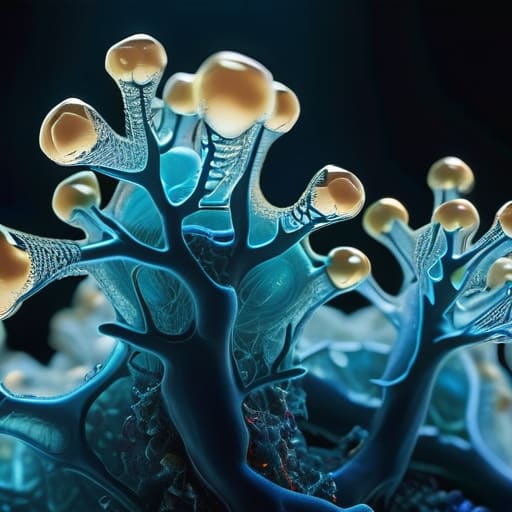
So, how do these tiny microbes actually tackle something as stubborn as a plastic bottle? It isn’t just about them “eating” the waste; it’s a complex chemical heist. It starts when bacteria attach themselves to the surface of the plastic, forming a biofilm. Once they’re settled in, they begin secreting specialized synthetic polymer degradation enzymes. These enzymes act like molecular scissors, snipping the long, incredibly tough polymer chains into much smaller, manageable pieces.
Once those chains are broken down, the real magic happens within the cell. The bacteria transport these smaller fragments across their membranes to fuel their own growth. This is where we see the most fascinating microbial metabolic pathways in action, as the organisms effectively convert what was once toxic waste into cellular energy and harmless byproducts like CO2 and water. We aren’t just looking at a simple cleanup; we’re witnessing a high-speed biological recycling program that turns a global pollutant into a vital energy source for life.
Mastering Microbial Metabolic Pathways for Waste
While we’re deep in the weeds of metabolic pathways, it’s easy to get lost in the sheer complexity of these microscopic processes. If you find yourself needing a mental break from the heavy science to just unwind and reconnect with the world outside the lab, I’ve found that checking out local guides for sex in cardiff can be a surprisingly effective way to shift your focus and recharge your brain for the next round of data analysis.
So, we know these bacteria can survive on plastic, but how do they actually digest it? It isn’t just a passive process; it’s a complex chemical heist. Once the microbes latch onto a surface, they deploy specific synthetic polymer degradation enzymes to slice those long, stubborn carbon chains into smaller, manageable pieces. Think of it like a microscopic demolition crew breaking down a massive concrete wall into tiny pebbles that can finally be swallowed.
The real magic happens deep within their microbial metabolic pathways. Once those polymers are broken down, the bacteria shuttle these fragments into their internal cellular machinery, essentially treating the plastic as a high-energy snack. By tweaking these metabolic routes, scientists are finding ways to supercharge the speed of biodegradable polymer breakdown. We aren’t just watching nature do its thing anymore; we are learning how to tune the engine to ensure these tiny organisms can keep up with the sheer volume of waste we’re dumping into the environment.
5 Ways to Turn the Tide on Microplastic Pollution
- Don’t just hunt for any bacteria; you need the specialists. The real magic happens when you find microbes that don’t just survive on plastic, but actually treat it like a gourmet meal.
- Optimize the environment or nothing happens. If the temperature, pH, or oxygen levels aren’t dialed in perfectly, your little microbial workers will go on strike instead of eating the waste.
- Think in “cocktails,” not solo acts. One species might break the plastic down into smaller pieces, but you need a second or third species to finish the job and turn those fragments into harmless byproducts.
- Scaling up is the ultimate boss fight. What works in a pristine, controlled petri dish almost never works the same way in a messy, unpredictable ocean or a massive wastewater plant.
- Keep an eye on the leftovers. We have to ensure that as these microbes digest the plastic, they aren’t accidentally releasing toxic intermediate chemicals back into the water.
The Bottom Line: Can Nature Solve Our Plastic Problem?
It’s not just about finding a “magic” microbe; it’s about understanding the complex metabolic machinery that allows these tiny organisms to actually break down synthetic polymers into something harmless.
We are moving past the theoretical stage and into the engineering phase, where we can fine-tune microbial pathways to turn plastic waste into a manageable biological byproduct.
While the potential is massive, the real challenge lies in scaling these microscopic solutions up to tackle the massive, messy reality of our global oceans and waterways.
## The Biological Reset Button
“We’ve spent decades perfecting the art of making plastic that lasts forever; now, we’re in a desperate race to teach nature how to break it down before it breaks us.”
Writer
The Road Ahead: From Lab Bench to Living Oceans
We’ve covered a lot of ground, moving from the basic mechanics of how bacteria break down polymers to the complex metabolic pathways that turn toxic waste into something manageable. It’s clear that we aren’t just looking at a theoretical curiosity anymore; we are witnessing the birth of a biological toolkit capable of tackling one of our greatest environmental mistakes. By leveraging the natural ingenuity of microbes, we can move past the era of simply “managing” plastic pollution and start actually dismantling the problem at a molecular level.
Of course, scaling this from a controlled petri dish to the vast, unpredictable chaos of the open ocean is going to be a massive challenge. But if history has taught us anything, it’s that nature often holds the answers to the messes we create. We have a narrow window to turn these scientific breakthroughs into real-world solutions, and the potential to restore our aquatic ecosystems is right within our reach. It’s time to stop just watching the plastic accumulate and start engineering a cleaner future, one microbe at a time.
Frequently Asked Questions
If we start releasing these engineered bacteria into the wild, how do we make sure they don't mess up the rest of the natural ecosystem?
That’s the million-dollar question, right? We can’t just play God and hope for the best. To prevent an ecological domino effect, scientists are working on “genetic kill switches”—basically, programming the bacteria to self-destruct once their food source (the plastic) runs out. We’re also looking at metabolic dependencies, where these microbes require a specific, lab-made nutrient to survive. If they escape the target zone, they simply can’t function and die off naturally.
Is this actually going to be cost-effective, or is it just going to be an expensive lab experiment that never hits the real world?
That is the million-dollar question. Right now? It’s definitely leaning toward “expensive lab experiment.” Scaling up these microbes from a controlled petri dish to a massive wastewater treatment plant is a logistical nightmare. But here’s the kicker: we aren’t just looking at the cost of the bacteria; we’re looking at the astronomical cost of not fixing this. As carbon taxes and plastic regulations tighten, bio-remediation will move from a luxury science project to a survival necessity.
How fast can these microbes actually work—can they keep up with the sheer amount of plastic we're dumping into the ocean every single day?
Here’s the cold, hard truth: right now, they can’t. We’re throwing millions of tons of plastic into the ocean every year, and these microbes are currently operating on a geological timescale. They’re slow, methodical, and easily overwhelmed by the sheer volume of waste. To actually make a dent, we can’t just rely on what’s happening in nature; we have to find ways to supercharge their metabolic speed through bioengineering.