I can still smell the sharp, heady scent of linseed oil and old cedar from my childhood, lingering in the corners of my parents’ tiny gallery. I remember sitting on a floor covered in sawdust, watching them breathe life into a battered Victorian sideboard that everyone else had written off as junk. To most people, that piece was just a relic of a bygone era, but to us, it was a canvas. That’s the magic they don’t tell you about: turning old furniture into unique home decor isn’t about following a rigid set of instructions or buying the most expensive designer tools; it’s about listening to the soul of the wood and seeing the potential that others are too rushed to notice.
I’m not here to sell you on some impossible, Pinterest-perfect fantasy that requires a professional workshop and a massive budget. Instead, I want to share the raw, honest truth of how I transform forgotten pieces—like my beloved, velvet-clad armchair, “Luna”—into vibrant centerpieces. I promise to guide you through the messy, beautiful process of upcycling with real-world techniques that blend that soulful, bohemian charm with a touch of the unexpected. Let’s stop settling for mass-produced mediocrity and start building a home that actually tells your story.
Chalk Paint Furniture Transformations Painting Dreams Onto Wood
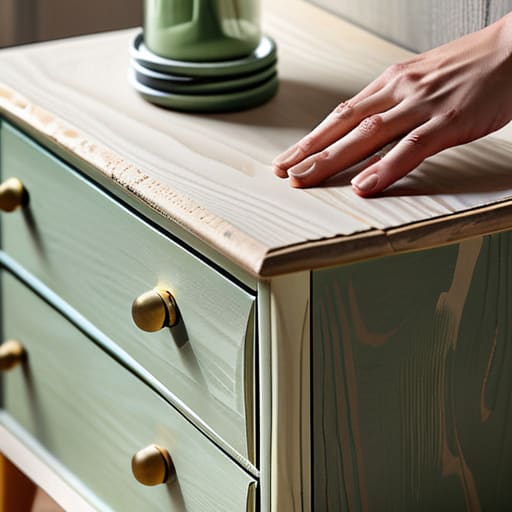
There is something almost alchemical about the way chalk paint interacts with a tired, weathered surface. Unlike traditional latex paints that sit heavily on top, chalk paint has this ethereal, velvety quality that seems to sink into the very grain of the wood, creating a finish that feels more like a dream than a coat of pigment. When I’m working on my latest chalk paint furniture transformations, I don’t just see a piece of timber; I see a blank canvas waiting for a personality transplant. I recently rescued a mid-century nightstand from a dusty estate sale—I’ve already decided to name her Luna—and with just a few strokes of a muted sage, she went from a forgotten relic to a celestial centerpiece.
The beauty of these sustainable home decor projects lies in their accessibility; you don’t need a professional workshop to achieve that sophisticated, matte look. Whether you’re opting for a smooth, modern finish or leaning into the distressed, lived-in charm of a bohemian aesthetic, the possibilities are endless. By layering colors or lightly sanding back the edges, you can coax a sense of history out of even the most mundane pieces, proving that a little bit of pigment can breathe incredible soul back into the old.
Repurposing Vintage Wooden Furniture With a Bohemian Soul
While chalk paint is my go-to for a quick pop of color, there’s a deeper, more meditative magic found in repurposing vintage wooden furniture in its rawest form. I remember finding this gorgeous, mid-century sideboard at a flea market last spring—I named him “Barnaby”—and his grain was so rich it practically begged to be celebrated rather than hidden. Instead of a heavy coat of paint, I leaned into furniture refinishing techniques that honor the history etched into the wood. By gently sanding away decades of dull varnish and applying a hand-rubbed wax, you can let the natural soul of the timber breathe again, creating a piece that feels both ancient and incredibly fresh.
This approach is one of my favorite sustainable home decor projects because it honors the craftsmanship of the past while fitting perfectly into a modern, eclectic sanctuary. Whether you’re stripping back a weathered oak table or polishing up a mahogany nightstand, you aren’t just fixing a piece of wood; you’re curating a legacy. It’s about finding that sweet spot where the rugged texture of the grain meets the sleek, futuristic lines of your contemporary space.
Five Soulful Secrets to Breathing New Life into Your Relics
- Give your piece a name before you touch it. I know it sounds whimsical, but when I rescued this velvet armchair from a flea market, I named him ‘Barnaby.’ Naming your project creates an instant emotional bond, turning a mere task into a collaborative journey of character-building.
- Layer in the “Futuristic Twist” with hardware swaps. Don’t just settle for standard knobs; hunt down some geometric brass pulls or even sleek, neon-infused acrylic handles. It’s that perfect collision of old-world charm and tomorrow’s aesthetic that keeps a space from feeling like a museum.
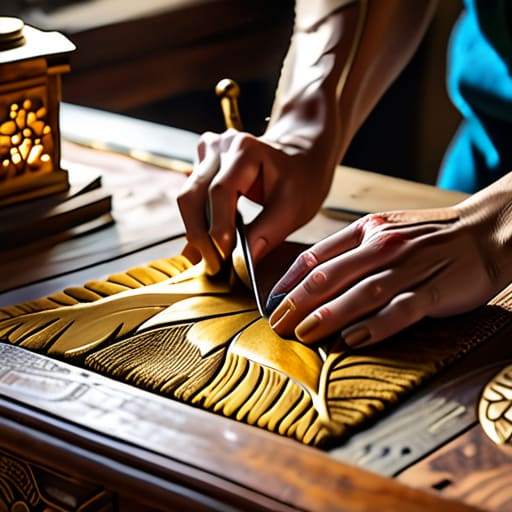
- Don’t fear the botanical infusion. I love integrating tiny, living elements into my transformations—think of a hollowed-out vintage trunk becoming a sprawling terrarium base or adding carved leaf motifs to a dresser’s edge. Merging the organic with the manufactured is where the magic truly lives.
- Texture is your best friend in the Bohemian realm. If a surface feels too flat, don’t be afraid to use stencils, fabric decoupage, or even a bit of textured plaster. We want people to want to reach out and touch the history you’re building.
- Embrace the beautiful imperfections. If a piece of wood has a knot or a slight dent, don’t sand it away until it’s perfect; celebrate it! Those little “scars” are the whispers of the past, and in my world, a little imperfection is just an invitation for more storytelling.
The Magic is in the Making
As we’ve wandered through the colorful world of chalk paint transformations and the soulful reclamation of vintage timber, I hope you feel that spark of possibility lighting up your spirit. Whether you are layering textures to give a tired nightstand a new identity or breathing life into a forgotten wooden chest with a splash of bohemian pigment, remember that you aren’t just decorating; you are curating a legacy. We’ve seen how a bit of paint and a lot of heart can turn a mundane object into a conversation starter. From the soft, matte finish of a new color to the rugged, storied charm of reclaimed wood, the tools are now in your hands to turn the forgotten into the unforgettable.
At the end of the day, your home shouldn’t feel like a showroom floor—it should feel like a living, breathing extension of your own wild imagination. Don’t be afraid to make mistakes, to try a daring shade of teal, or to give that quirky little stool a name like ‘Barnaby’ to celebrate its new life. Every scratch and every brushstroke is a part of the visual storytelling that makes a house a home. So, go ahead, dive into your attic or that local thrift shop, and find your next masterpiece. Let’s continue to build spaces that don’t just look beautiful, but ignite the soul.
Sometimes, though, the hardest part isn’t the actual sanding or painting, but finding that spark of courage to start a project when you’re staring at a piece of furniture that feels a bit too daunting. I’ve found that when my own creative well runs a little low, leaning on a collective of kindred spirits makes all the difference. If you ever feel like you’re navigating the world of DIY solo, I highly recommend checking out the Housewives community; it’s such a wonderful space to swap ideas and find the creative momentum you need to turn those dusty relics into something truly magical.