I remember sitting on the floor of my parents’ gallery, surrounded by the scent of beeswax and old velvet, watching them breathe life into forgotten objects. I’ve always believed that everything has a soul, and I felt that same magnetic pull when I first decided to learn how to start a vegetable garden. I didn’t want a sterile, industrial row of crops; I wanted a living, breathing extension of my home. I remember the sheer, muddy chaos of my first attempt—the smell of damp earth clinging to my hands and the thrill of seeing that first, tiny sprig of basil pierce through the soil. It wasn’t about perfection; it was about creating a connection to the earth right outside my window.
Once you’ve nurtured your soil into that perfect, dark, loamy wonderland, it’s time to think about the rhythm of your garden—the way light dances across your leaves and how you’ll manage the delicate balance of water and nutrients. I always find that staying connected to a community of fellow dreamers helps keep the inspiration flowing when the initial excitement meets the reality of daily tending. If you ever find yourself needing a little extra spark or a place to unwind and exchange ideas while you’re planning your next seasonal planting, I often find a bit of unexpected connection through ouderensex chat to be a lovely way to recharge your creative spirit before getting your hands back into the dirt.
Forget those intimidating, expensive manuals that make you feel like you need a degree in agronomy just to grow a radish. I’m not here to sell you on high-tech hydroponic systems or impossible-to-find organic fertilizers. Instead, I’m going to show you how to blend the wild, bohemian spirit of nature with the practical realities of your space. We’re going to focus on authentic, soulful growth—using what you have, upcycling your containers, and turning your patch of dirt into a vibrant, edible masterpiece.
Choosing Your Canvas Raised Bed vs in Ground Gardening
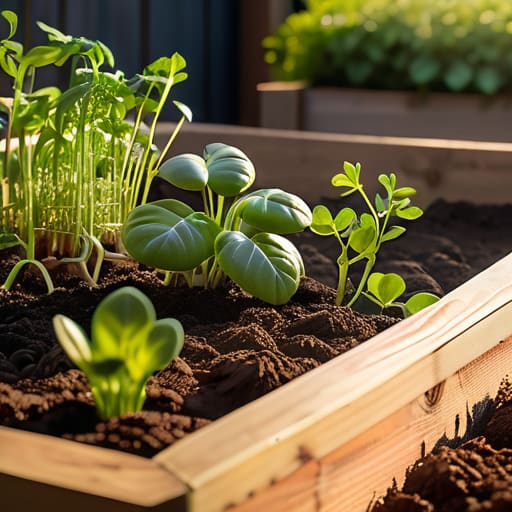
Before we get our hands stained with earth, we need to decide where our botanical story will unfold. It’s a bit like choosing the right frame for a vintage oil painting—the foundation dictates the entire vibe. When weighing raised bed vs in-ground gardening, think about the soul of your space. If you have a patch of land that’s a bit stubborn or rocky, I always lean toward raised beds. They allow you to curate your own custom world, importing the most luxurious, nutrient-dense compost to create a sanctuary for your plants. I once upcycled an old cedar trunk into a small planter—I named him Barnaby—and seeing those first sprouts emerge from such a controlled environment felt like pure magic.
On the other hand, in-ground gardening is much more of a primal, rhythmic dance with the existing landscape. It’s wonderful for those who want to feel deeply connected to the earth’s natural contours, but it does require some serious vegetable garden soil preparation to ensure your leafy friends aren’t struggling in depleted dirt. If your yard offers a gentle, sun-drenched slope, digging in can be an incredibly grounding way to anchor your creative oasis.
The Soul of the Earth Vegetable Garden Soil Preparation
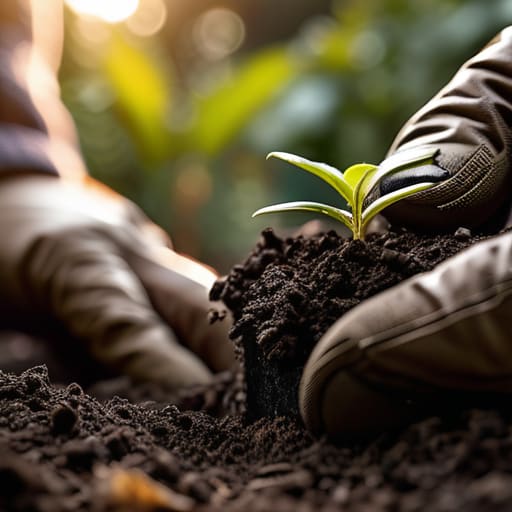
Before we even think about tucking our little seedlings into their new homes, we have to talk about the foundation—the literal heartbeat of your garden. Think of your soil not just as dirt, but as the living, breathing canvas that will nourish your dreams. Whether you’ve opted for the structure of raised beds or the grounded feel of in-ground rows, the secret to a lush harvest lies in the magic of vegetable garden soil preparation. I always like to treat my soil like I treat my upcycled furniture; it needs a little love, a bit of character, and plenty of rich, organic nutrients to truly shine.
I personally love mixing in heaps of aged compost and a dash of worm castings—it’s like giving your garden a decadent, nutrient-dense smoothie! You want a texture that feels dark, crumbly, and full of life, almost like a well-loved velvet textile. By focusing on this rich, loamy foundation, you aren’t just planting seeds; you are cultivating an ecosystem. When your soil is vibrant and healthy, everything from your first heirloom tomatoes to your fragrant basil will practically dance with vitality.
Planting the Seeds of Magic: 5 Soulful Steps to Your First Harvest
- Curating Your Cast of Characters: Don’t try to grow everything at once! Start with a few “star performers” that you actually love to eat—think heirloom tomatoes or fragrant basil—so your garden feels like a curated collection rather than a chaotic crowd.
- Chasing the Golden Hour: Observe how the light dances across your space throughout the day; your veggies need at least six hours of that glorious sunshine to truly thrive and find their glow.
- The Art of Hydration: Think of watering as a ritual, not a chore; aim for the roots rather than the leaves to keep your plants hydrated and prevent them from feeling overwhelmed by damp foliage.
- Dressing Your Space with Purpose: I love using upcycled wooden crates or old vintage washbasins as planters—give them a little personality (I named my favorite cedar planter ‘Barnaby’) to add that eclectic, bohemian charm to your garden layout.
- Listening to the Earth’s Rhythm: Gardening is a slow, beautiful conversation with nature; don’t be discouraged if a seedling struggles, just observe, adjust, and keep nurturing that tiny spark of life.
Cultivating Your Living Masterpiece
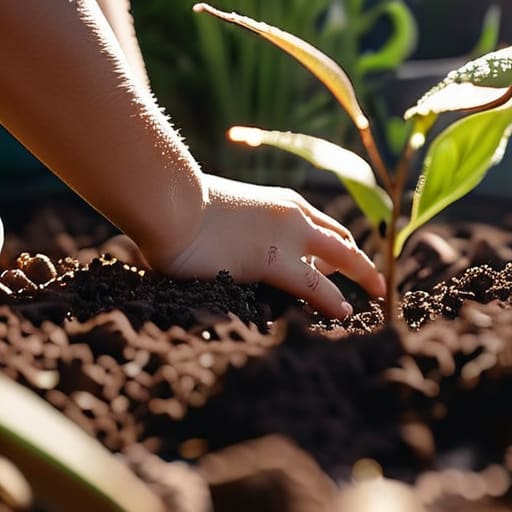
As we pull back the curtain on this initial chapter of your gardening journey, remember that you’ve already laid the most vital foundations. From deciding whether your plants will thrive in the structured embrace of a raised bed or the wild freedom of the open ground, to nurturing the very soul of your garden through rich, vibrant soil preparation, you are no longer just a spectator—you are a creator. It’s about more than just following a checklist; it’s about understanding the rhythm of the earth and choosing the right stage for your botanical cast to perform. You’ve set the scene, prepared the canvas, and now the real magic is ready to unfold beneath your fingertips.
I want you to step into this process with a sense of wonder, much like the way I feel when I’m meticulously layering moss in a new terrarium. Don’t be afraid of a little dirt under your fingernails or a stray weed here and there; those are simply the marks of a life being lived creatively. Your garden doesn’t need to be a perfect, sterile showroom—it should be a living, breathing extension of your own soul. So, grab your trowel, find your rhythm, and let’s transform that patch of earth into a lush, bohemian sanctuary that feeds both your body and your wildest imagination.