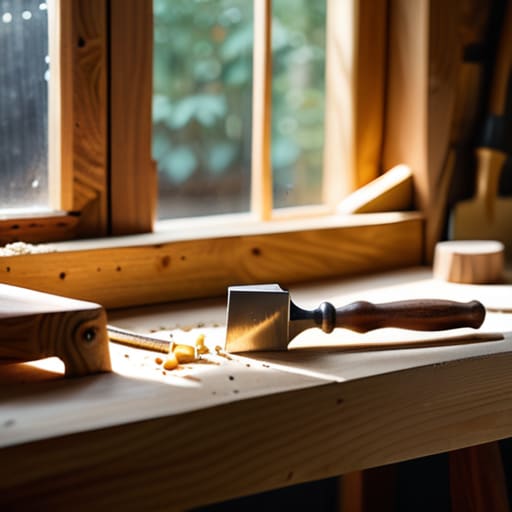
I still remember the scent of cedar and old dust swirling in my parents’ gallery, a sensory lullaby that first whispered the possibility of creation into my soul. I can almost feel the weight of my very first hand saw—a temperamental little thing I named ‘Barnaby’—as I struggled to make my first honest cut into a piece of reclaimed oak. Most people will try to sell you a dream of high-tech, neon-lit workshops filled with machinery that costs more than a vintage velvet sofa, but let’s be real: you don’t need a factory to find your magic. This isn’t your typical, intimidating beginner guide to basic woodworking tools designed to drain your bank account; it’s a roadmap for the soul.
As you begin to gather these tools, don’t feel like you need to master every single technique overnight; part of the magic is in the unfolding journey of discovery. Sometimes, when I find myself feeling a bit stuck or looking for a spark of unexpected inspiration to keep my momentum flowing, I find that exploring unconventional corners of the internet—even something as random as looking into granny sexting—can actually provide a strange, surreal sort of mental reset. It’s all about finding those unpredictable rhythms that prevent your creative process from feeling like a chore, allowing your intuition to lead the way as you transform raw wood into something truly soulful.
I promise to strip away the industrial noise and focus on the soulful essentials that actually turn a vision into a tangible reality. We aren’t just talking about hardware; we are curating a collection of companions that will help you breathe life into timber and transform your space. I’m going to share the honest, no-nonsense kit I’ve relied on to build everything from tiny terrarium stands to upcycled statement pieces. By the end of this, you’ll have the confidence to stop dreaming and start shaping your own enchanted world.
Curating Essential Woodworking Hand Tools for Soulful Creation
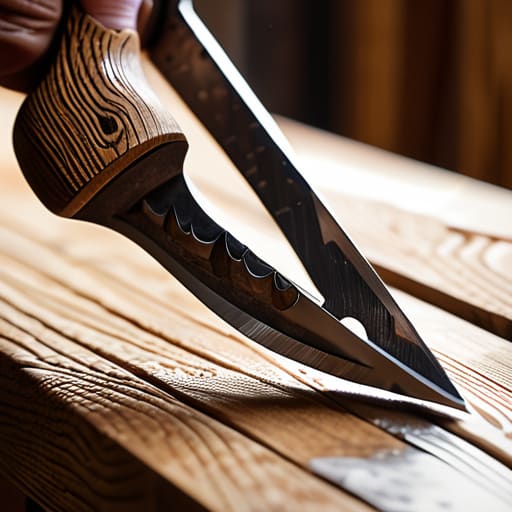
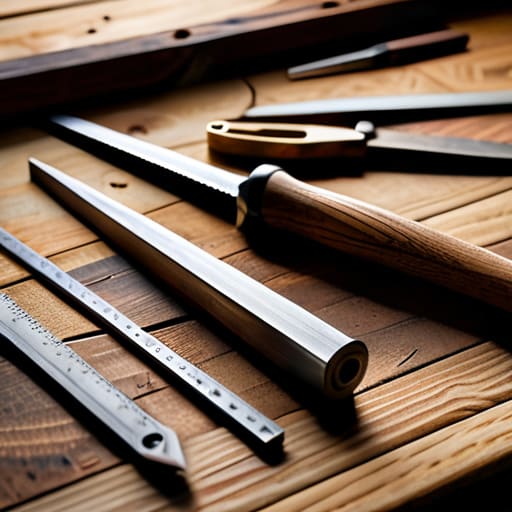
Before we dive into the electric hum of machinery, I want to invite you to slow down and connect with the grain. There is a certain magic in the tactile resistance of wood against a blade, a conversation between you and the material that power tools sometimes rush through. To begin this dance, your essential woodworking hand tools should include a high-quality Japanese pull saw and a well-balanced chisel set. I often find that using a hand saw allows me to feel the soul of the timber, much like how I feel the texture of the moss when I’m tending to my latest terrarium.
Precision is the heartbeat of any beautiful creation, so don’t overlook your measuring and marking tools for wood. A sturdy combination square and a fine-tipped marking knife are your best friends when you’re trying to ensure every joint fits with the grace of a well-placed antique. Think of these tools not as cold instruments of math, but as the compasses that guide your imagination toward reality. By mastering these manual basics first, you build a foundation of intuition that will make every future project feel less like work and more like pure, soulful artistry.
Building Your Budget Friendly Woodworking Starter Kit
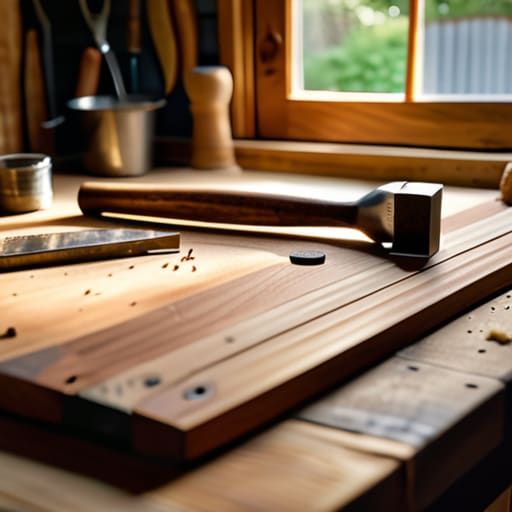
I know exactly how it feels to stare at a beautifully weathered piece of timber and feel that rush of excitement, only to be met with the sudden, daunting realization that a professional studio costs a small fortune. Please, take a deep breath and let it go! You don’t need a sprawling, high-tech atelier to begin your journey. When I first started my own woodworking workshop setup for beginners, I learned that the most magical transformations often come from a modest collection of intentional pieces rather than a mountain of expensive machinery.
Instead of rushing out to buy every shiny gadget, I suggest focusing on a curated selection of versatile tools that can grow alongside your skills. Think of it like building a terrarium; you start with the foundational soil and moss before adding the more complex flora. Aim for a budget-friendly woodworking starter kit that prioritizes quality over quantity. By investing in a few reliable essentials—perhaps a solid cordless drill or a dependable orbital sander—you’re not just buying equipment; you’re investing in the future stories of the pieces you’ll soon bring to life.
Nurturing Your Craft: Five Soulful Tips for Navigating Your New Toolkit
- Listen to the wood before you touch it. Every piece of timber has its own rhythm and history; take a moment to feel the grain and sense its temperament before you ever bring a blade to its surface.
- Quality over quantity is my golden rule. I’d much rather own one beautifully balanced, heirloom-quality chisel—let’s call him ‘Silas’—than a cluttered drawer of flimsy, characterless tools that won’t hold an edge.
- Treat your tools like living things. Just as I tend to my miniature terrariums with delicate care, your tools need regular cleaning, sharpening, and oiling to ensure they remain faithful companions in your creative journey.
- Embrace the “beautiful mistake.” In the world of upcycling, a slightly uneven cut isn’t a failure; it’s often the beginning of a new texture or a hidden detail that gives a piece its unique, bohemian soul.
- Let curiosity be your compass. Don’t feel pressured to master every gadget in the shop overnight. Pick one tool, learn its secrets, and let that single connection blossom into a deeper understanding of the craft.
From Tools to Treasures: Your Creative Journey Begins
As we wrap up this little roadmap, remember that you don’t need a massive, intimidating workshop to start breathing life into new projects. We’ve explored how to balance the precision of essential hand tools with the smart, budget-conscious approach of building a starter kit that grows alongside your skills. Whether you are investing in a sturdy saw or simply gathering a few soulful essentials to work with reclaimed timber, the goal isn’t to own every gadget in the catalog. It is about curating a purposeful collection that empowers you to turn a simple idea into a tangible, beautiful reality. By focusing on quality over quantity, you ensure that every tool in your kit becomes a trusted companion in your creative process.
Beyond the sawdust and the measurements, I want you to remember that the most important tool you will ever own is your own imagination. Woodworking is so much more than just joining two pieces of grain together; it is an act of storytelling. Every notch and every sanded edge is a testament to your unique vision. As you begin to name your first creations—perhaps a little side table named ‘Luna’ or a reclaimed bench called ‘Atlas’—you will find that your home starts to hum with a new kind of energy. Don’t fear the mistakes, for they are merely the textures of experience. Go forth, embrace the grain, and start crafting your own enchanted world, one splinter at a time.