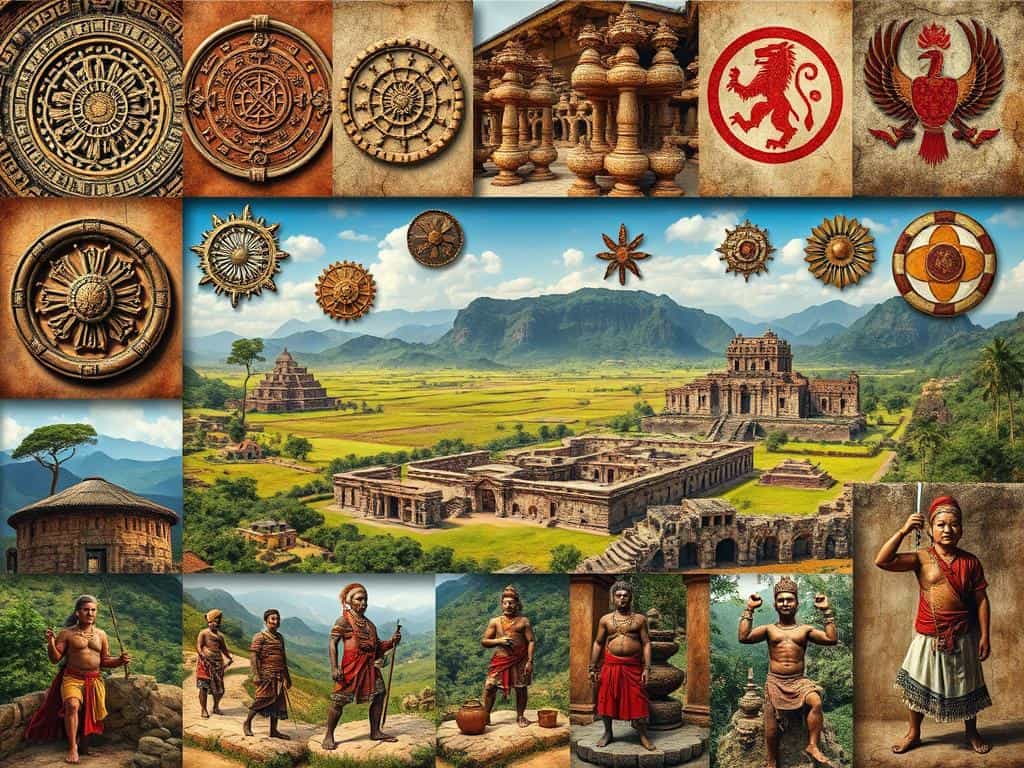
Exploring our shared human heritage, I often get drawn to forgotten cultures. They’ve greatly shaped our world today. Imagine finding an antique pottery piece in a shop. Holding it, I thought of the hands that made it, perhaps in an ancient city.
This made me realize how much we owe to these forgotten civilizations. They set the stage for our modern society.
The Indus Valley Civilization, from 3300 to 1300 BC, left us with architectural wonders. The Kingdom of Aksum, from AD 100 to 940, built extensive trade routes. These cultures have shaped our lives, though often forgotten by history.
Each forgotten culture adds a piece to our story, showing our growth as humans. Through studies and discoveries, I want to highlight these civilizations. I aim to share their legacies and why understanding our past is key to today’s world.
Key Takeaways
- Forgotten cultures have profoundly influenced modern urbanism and trade practices.
- The Indus Valley Civilization stood as a model of urbanism with advanced city planning.
- Aksum’s extensive trade networks contributed to its economic power and cultural influence.
- Archaeological discoveries continue to unveil the significance of these cultures.
- Exploring our history through these civilizations enriches our understanding of human development.
The Indus Valley Civilization: A Model of Urbanism
The Indus Valley Civilization thrived from 3300 to 1300 BC in parts of Pakistan, Afghanistan, and India. It is a standout example of early urbanism. Cities like Mohenjo-Daro and Harappa were known for their advanced amenities and urban planning.
The cities had well-designed drainage systems and standardized weights and measures. This shows the cultural achievements and ingenuity of its people.
Overview of the Indus Valley Civilization
At its peak, the Indus Valley Civilization covered about one million square kilometers. It had a population of several million, showing vibrant urban life. Cities like Mohenjo-Daro and Harappa had between 30,000 and 60,000 people.
Settlements were often by rivers, helping agriculture and trade. By 1900 BC, trade issues led to the decline of cities and migration to the Ganges Valley.
Cultural and Technological Achievements
Technological advancements were key to the Indus Valley Civilization’s growth. They included agricultural innovations and craftsmanship. The use of baked bricks reached its peak between 2600 and 1900 BC, showing their architectural skills.
The Indus people were also known for extensive trade and specialized crafts. They were a strong economic force. Despite decline due to environmental and social issues, their cultural legacy remains fascinating to historians and archaeologists.
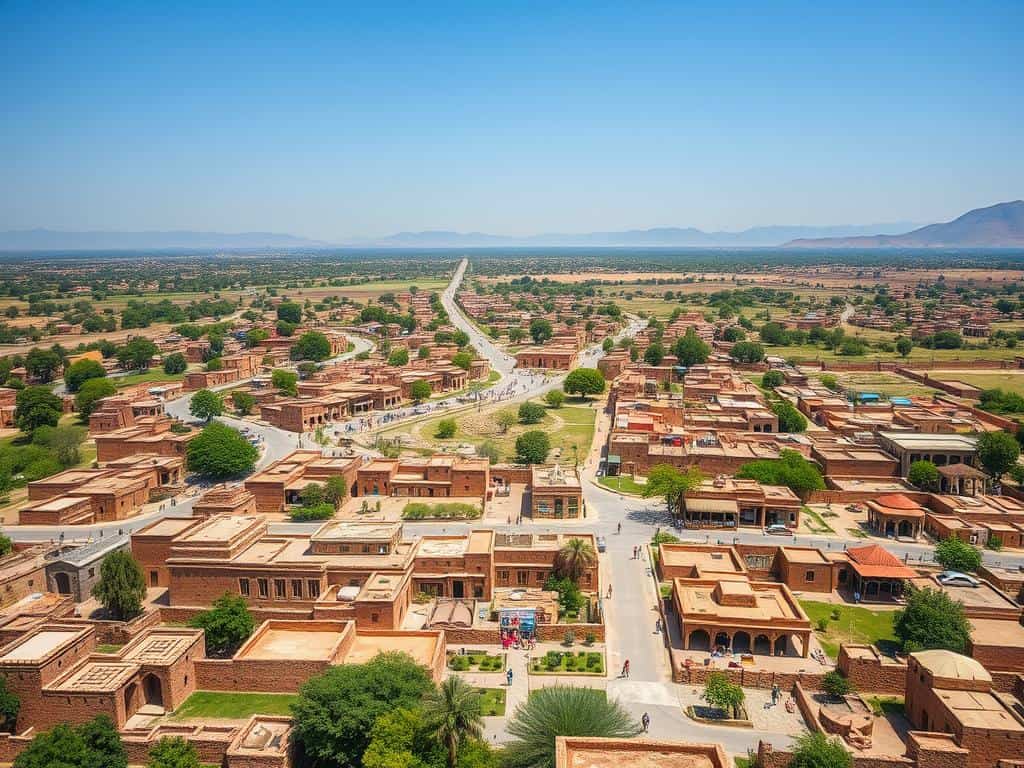
The Kingdom of Aksum: An Economic Powerhouse
The Kingdom of Aksum thrived from about AD 100 to 940 in Northern Ethiopia. It became a key player in trade, linking the Roman Empire and Ancient India. The empire covered Eritrea, northern Ethiopia, western Yemen, and parts of Sudan.
It was a major hub for commerce, thanks to its strategic location. Aksum even minted its own coins by the late 3rd century. This showed its importance in regional trade.
Aksum’s Geographic and Cultural Significance
Aksum was known for being one of the first African kingdoms to use coins. These coins were found from Caesarea to southern India. This highlighted Aksum’s role in trading African goods like grains and ivory.
When Aksum became Christian in the 4th century, its influence grew. This move boosted its trade connections and economic power.
Religious Developments
Adopting Christianity around 325 or 328 was a big change for Aksum. It mixed religious growth with economic success. This conversion changed society and made Aksum a global power.
Stories of the Queen of Sheba and the Ark of the Covenant added to Aksum’s spiritual fame. Its Stelae show its cultural and religious achievements.
Forgotten Cultures: The Significance of Sanliurfa and Göbekli Tepe
Sanliurfa is a city filled with history, closely tied to Göbekli Tepe. This site is the world’s oldest monumental architecture, built about 12,000 years ago. It’s one of the earliest known religious sites.
Göbekli Tepe has over 25 circular enclosures. It’s famous for its T-shaped pillars, reaching up to 5.5 meters tall and weighing 20 tons.
Archaeological Importance of Sanliurfa
The area around Sanliurfa is key for studying ancient societies. Excavations started in 1995 at Göbekli Tepe. They uncovered insights into ancient cultures and rituals.
This site was used for big ceremonies, not living spaces. It shows the complexity of early societies. There are three construction phases, showing its growth over time.
Cultural Connections and Mysteries
Göbekli Tepe is an engineering marvel and a cultural mystery. Its carvings and designs hint at early agriculture and settled societies. I’m intrigued by the rituals that might have happened there.
There are links between Göbekli Tepe and other Sanliurfa discoveries. They offer a peek into a rich, unexplored past.

Conclusion
Looking back at the impact of forgotten cultures, we see how each civilization has shaped our world. The Indus Valley’s urban planning and the Kingdom of Aksum’s wealth show us how they’ve influenced today’s society. These cultures not only left their mark but also continue to guide us, showing the importance of cultural heritage.
Anthropologists have found over 150 ways to define culture, showing its vastness and complexity. Yet, the loss of cultural identity, seen in migrant families, is a pressing issue. It’s vital to keep traditions alive, as Mahek Shah’s story shows. Her journey shows how cultural pride can uplift both individuals and communities.
Archaeology has uncovered treasures from Mesopotamia, Old Europe, and Göbekli Tepe, revealing our rich history. By learning about these forgotten cultures, we gain a deeper respect for our diverse backgrounds. This knowledge helps us connect with our heritage, ensuring it lives on for future generations.


