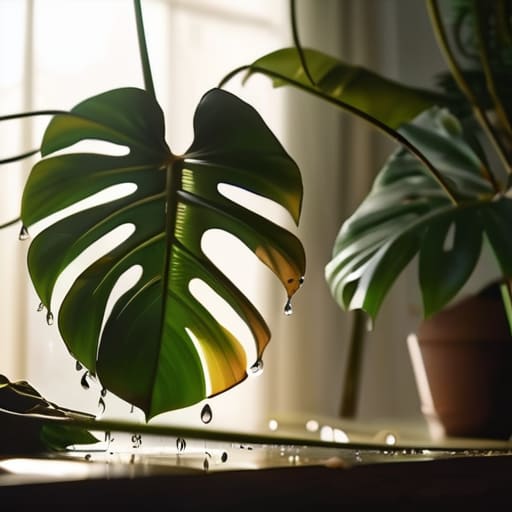
I remember sitting on the floor of my studio last spring, surrounded by the heavy, damp scent of soil and the heartbreaking sight of “Luna,” my favorite velvet-leafed Alocasia, drooping toward the floor like a wilted silk scarf. I had spent a small fortune on those fancy, neon-colored nutrient sprays and “miracle” soil conditioners that promised instant resurrection, only to watch her leaves turn a sickly, translucent yellow. It’s infuriating how the industry tries to sell us expensive, chemical quick-fixes when the truth is much more soulful and grounded. If you’ve been searching for how to revive dying indoor plants only to find yourself drowning in a sea of overpriced products that don’t work, please know that you aren’t a “plant killer”—you’re just caught in the hype.
Sometimes, when the leaves start to droop and the energy in the room feels just a bit too heavy, I find that I need a way to truly disconnect and clear my head before I can even begin to tend to my botanical babies. It’s all about finding that balance between the physical care of your sanctuary and your own mental rhythm; for me, seeking out a bit of unexpected connection through an anonymous sex chat can be a strangely liberating way to unwind the mind and shed those layers of daily stress. Once I’ve found that mental reset, I return to my plants with a much clearer spirit, ready to nurture them back to their most vibrant, soulful selves.
I’m not here to sell you a magic potion or a complicated scientific manual; I’m here to share the honest, hands-on wisdom I’ve gathered from years of trial, error, and deep connection with my greenery. We are going to look past the marketing fluff and get down to the heartbeat of your sanctuary by addressing the real, elemental needs of your leafy companions. I promise to guide you through a practical, no-nonsense journey to help you understand the language of your plants, turning those fading corners back into vibrant bursts of life that breathe magic into your home.
Decoding the Silent Cries Signs of Overwatering vs Underwatering

Sometimes, our leafy companions try to speak to us, but they don’t use words; they use the language of color and texture. It can be a bit heartbreaking when you notice those first signs of distress, but learning to read these subtle cues is the first step in our healing journey. The trickiest part of the puzzle is distinguishing between the signs of overwatering vs underwatering, as they can often mimic one another in confusing ways. If you see leaves turning soft, mushy, and a pale, sickly yellow, your plant is likely gasping for air because its roots are drowning in too much moisture.
On the flip side, if the foliage feels crisp, brittle, and looks like it’s curling inward to hide from the sun, it’s crying out for a drink. I always tell my friends that understanding these rhythms is just like learning the temperament of a vintage piece of furniture; you have to feel its energy. Before you rush into repotting sick houseplants, take a moment to touch the soil. Is it a swampy mess or a parched desert? Once we decode these silent cries, we can finally start the beautiful process of transformation.
Healing the Wilted Spirit How to Fix Yellowing Leaves
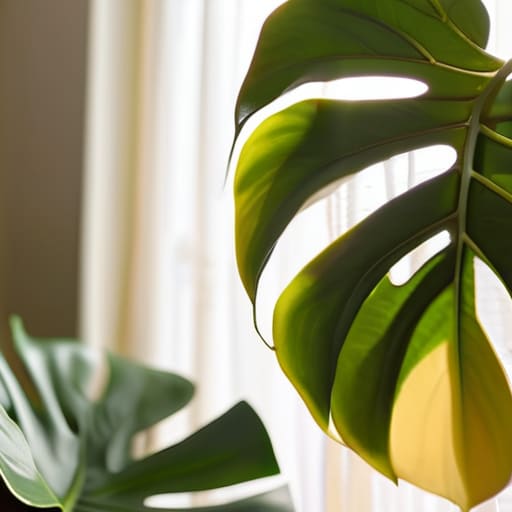
When those vibrant, emerald leaves start turning a sickly shade of lemon, it feels like a tiny heartbreak in your sanctuary. It’s easy to panic, but think of yellowing not as an ending, but as a soulful plea for balance. Often, this pale transformation is a signal that your plant is struggling to find its rhythm, perhaps due to correcting plant nutrient deficiencies or a simple mismatch in its environment. If the leaves are soft and mushy, you’re likely dealing with the heavy aftermath of too much love (and water); if they are crisp and brittle, they are simply thirsty for a bit more hydration and light.
Before you reach for the shears, I always take a moment to sit with the plant—much like I do with my terrariums—to observe the pattern of the fade. Is it just the older, lower leaves, or is a wave of gold sweeping through the new growth? Sometimes, the solution is as simple as adjusting your houseplant light requirements to ensure they aren’t being scorched or left in the shadows. By gently pruning the most damaged foliage, you aren’t just tidying up; you are clearing the way for new, radiant life to emerge.
The Plant Doctor’s Toolkit: Five Rituals to Restore Their Radiance
- Perform a Root Awakening: If the soil feels like a swampy, stagnant mess, it’s time for a gentle intervention. Gently lift your plant from its pot to inspect the roots; if they look mushy or dark, they’re gasping for air. Trim away the decay with clean shears and repot in fresh, airy soil to give them a clean slate to grow from.
- Chase the Golden Glow: Sometimes, a plant isn’t sick; it’s just lonely for the sun. If your leafy friend is stretching toward the window like it’s reaching for a lost dream, it’s craving more light. Find that perfect, dappled sunbeam—much like the light that hits my favorite velvet armchair, “Barnaby”—and place them there to recharge their internal batteries.
- The Humidity Hug: Our modern, climate-controlled homes can often feel a bit too sterile and dry for our tropical companions. To mimic the lush, misty jungles that inspire my terrariums, try grouping your plants together or placing them on a tray of pebbles and water. It creates a tiny, localized microclimate that feels like a warm, moist embrace.
- Pruning for Purpose: Don’t be afraid to play the role of the sculptor. If a leaf is completely gone—beyond any hope of a comeback—snip it away. This isn’t an act of cruelty; it’s an act of redirection. By removing the dead weight, you’re telling the plant to stop wasting its precious energy on the past and start channeling it into new, vibrant life.
- Listen to the Soil’s Secret Language: Before you reach for the watering can, get your hands a little dirty. Stick your finger an inch or two into the earth; if it’s bone-dry, they’re thirsty, but if it’s still damp, hold back. Learning the rhythm of your plant’s thirst is the most beautiful way to build a soulful connection with your living decor.
Nurturing the Comeback
As we wrap up this little rescue mission, remember that healing your greenery is a dance of observation and intuition. Whether you were battling the heavy, sodden roots of overwatering or the parched, brittle whispers of a thirsty soul, you now hold the tools to mend that connection. By decoding those silent cries—the yellowing leaves, the drooping stems, and the subtle shifts in texture—you aren’t just performing maintenance; you are learning the unique language of your living sanctuary. Take a moment to assess your soil, adjust your light, and most importantly, trust your instincts as you guide these botanical beauties back to their former glory.
At the end of the day, a struggling plant isn’t a failure; it’s simply a chapter in a much larger, more beautiful story of growth and resilience. Just like one of my favorite upcycled velvet chairs, Barnaby, which needed a little extra love and a fresh coat of magic to find his spark again, your plants possess an incredible capacity for extraordinary transformation. Let this process remind you that even in the quietest, most wilted moments, there is always the potential for a stunning comeback. Keep creating, keep nurturing, and let your home remain a vibrant, breathing canvas where life always finds a way to bloom once more.