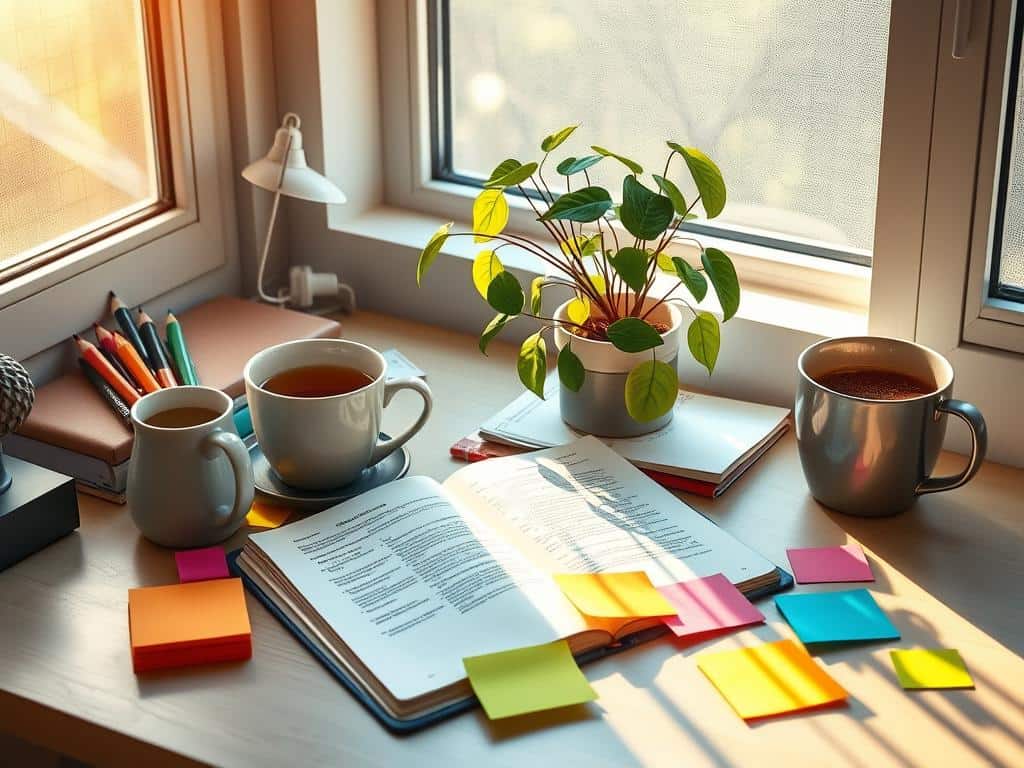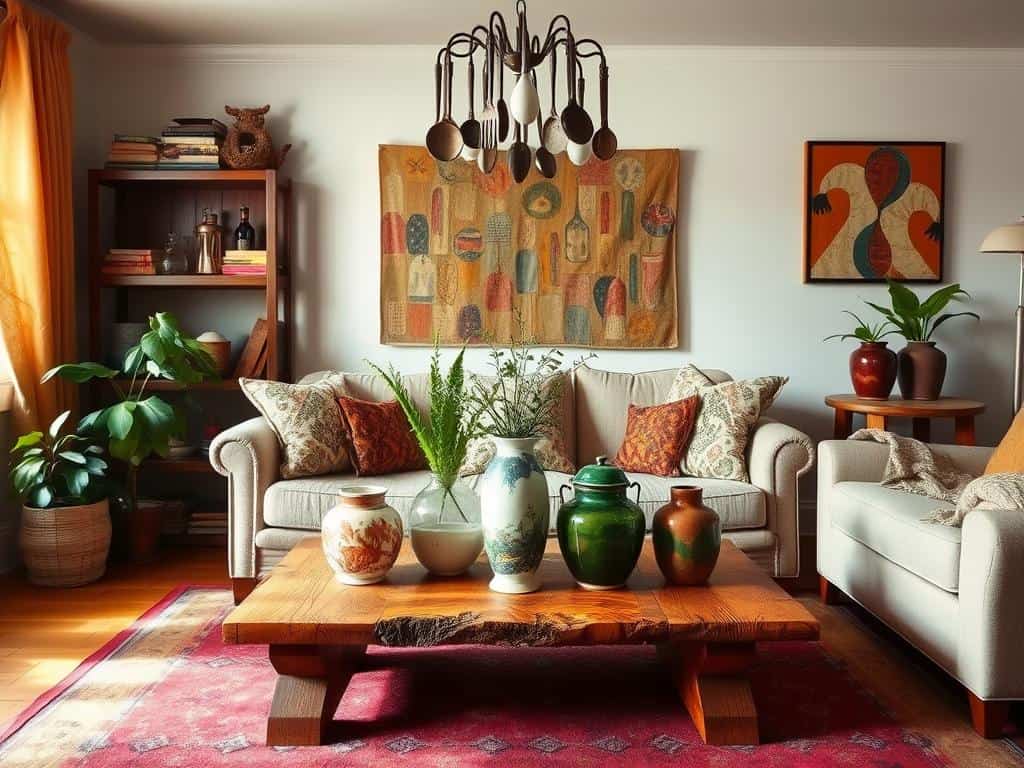
I was sitting at my reclaimed oak desk—a sturdy, soulful piece I’ve named “Atlas”—surrounded by the lush, green chaos of my latest terrarium project, when the realization hit me like a sudden chill. I had spent forty minutes staring at a single digital task, my mind drifting through a fog of half-formed ideas and endless notifications. We’ve all been told that the secret to productivity lies in expensive, sterile standing desks or those hyper-minimalist “productivity apps” that feel more like digital shackles than tools. But honestly? Most of these mainstream hacks for better focus while working are just noise designed to sell you a lifestyle that feels utterly soulless.
Sometimes, when the mental fog rolls in and my thoughts feel as scattered as a collection of unorganized vintage beads, I find that I need a digital companion to help me untangle the chaos. I’ve started using this chat site as a sort of intellectual sounding board, allowing me to bounce ideas around and refine my focus before I dive back into a deep creative trance. It’s become a tiny, essential ritual in my workflow—a way to clear the psychic clutter so I can return to my canvas with a renewed sense of purpose and clarity.
I’m not here to give you a checklist of robotic habits that strip the magic from your day. Instead, I want to share how I weave together sensory intention and intentional design to reclaim my mental clarity. We are going to explore how to curate a workspace that acts as a sanctuary for your imagination, using tactile textures, strategic lighting, and a bit of bohemian soul to anchor your wandering mind. This isn’t about working harder; it’s about designing a flow state that feels as natural as a garden in bloom.
Optimizing Workspace for Mental Clarity and Creative Flow
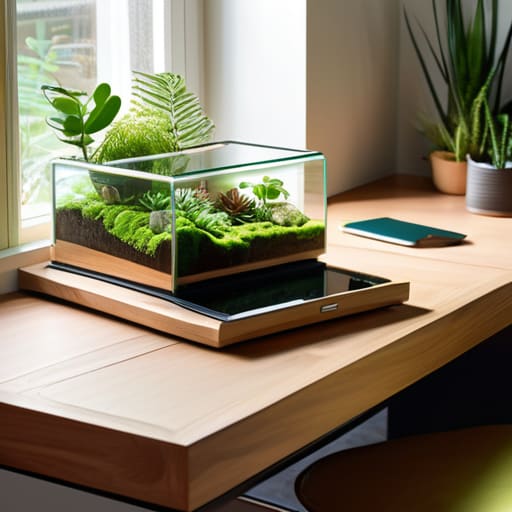
To truly unlock your potential, we have to look beyond just a desk and a chair; we must view our workspace as a living ecosystem. I’ve always found that my best ideas emerge when my surroundings feel intentional, almost like one of my terrariums—everything in its right place, breathing in harmony. When I’m working on a new project, I focus heavily on optimizing workspace for mental clarity by clearing away the visual noise that triggers subconscious stress. I recently upcycled a mid-century sideboard for my studio—I’ve named him ‘Barnaby’—and using him to tuck away messy cables has been a game-changer for my headspace.
Reducing the chaos isn’t just about aesthetics; it’s about cognitive load management strategies that protect your precious mental energy. If your eyes are constantly darting toward a cluttered shelf or a glowing notification, your brain is working overtime just to filter the nonsense. I swear by creating “sensory zones”—a soft, moss-green rug to ground my feet and a sleek, futuristic LED lamp to sharpen my focus. By minimizing digital distractions at work and curating a tactile, beautiful environment, you aren’t just setting up a desk; you’re building a sanctuary for your soul to create.
Minimizing Digital Distractions at Work With Bohemian Intent
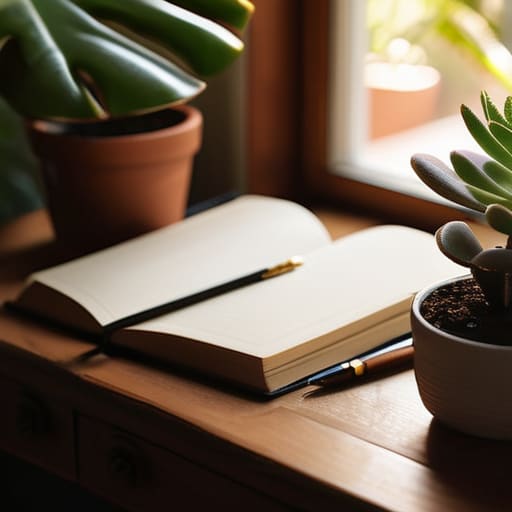
While we can curate the most beautiful physical sanctuary, even the most exquisite velvet armchair can’t protect us from the relentless siren song of a glowing smartphone. To truly master minimizing digital distractions at work, we have to treat our digital landscape with the same intentionality we apply to our physical decor. I like to think of my notifications as uninvited guests at a dinner party—they arrive without an RSVP and quickly disrupt the harmony of the evening. By silencing non-essential pings and curating a “digital garden” of only essential apps, we create a boundary that protects our most precious resource: our attention.
I’ve found that implementing certain deep work techniques for productivity acts like a soothing balm for a scattered mind. For instance, I often lean into the Pomodoro technique for concentration, setting a timer to allow myself bursts of intense, soulful focus followed by a rhythmic pause to tend to my terrariums. This prevents that heavy sense of brain fog from settling in, allowing my creativity to breathe. When we stop reacting to every digital flicker, we finally give ourselves the permission to dive deep into the magic of creation.
Cultivating Your Rhythms: Five Rituals to Anchor Your Focus
- Embrace the “Single-Tasking Sanctuary”—instead of chasing the chaotic high of multitasking, treat your current project like a delicate terrarium; give it your undivided attention and nurture it one layer at a time until it truly flourishes.
- Curate an Auditory Landscape—ditch the jarring, lyric-heavy playlists and instead drift away on waves of lo-fi beats or ambient forest sounds, creating a sonic cocoon that shields your creative spirit from the outside world.
- Implement the “Micro-Movement” Break—every hour, step away from your desk to stretch or tend to a houseplant; I find that even a two-minute dance with a piece of upcycled furniture like ‘Barnaby,’ my velvet armchair, can reset a stagnant mind.
- Utilize Time-Blocking with a Soulful Twist—don’t just schedule tasks; schedule “creative swells” and “quiet ebbs,” allowing your energy to ebb and flow naturally rather than forcing a rigid, robotic productivity that ignores your human rhythm.
- The Sensory Reset—keep a small ritualistic object on your desk, perhaps a smooth stone or a piece of vintage brass, to touch when your mind begins to wander; it acts as a physical anchor, pulling your wandering thoughts back into the present moment.
Cultivating Your Creative Flow
As we wrap up this little exploration into the art of focus, remember that reclaiming your attention isn’t about rigid discipline—it’s about intentional curation. We’ve looked at how transforming your physical surroundings into a sensory sanctuary can anchor your mind, and how setting digital boundaries with bohemian intent can protect your most precious resource: your creative energy. Whether you are rearranging your desk to invite more natural light or silencing the digital noise to let your thoughts breathe, you are essentially designing a landscape for your soul to wander freely without losing its way.
Ultimately, your workspace should be more than just a place where tasks are completed; it should be a living, breathing extension of your imagination. Just as I carefully tend to the tiny, moss-covered worlds in my terrariums, I encourage you to nurture your professional environment with the same tender curiosity and purpose. Don’t be afraid to experiment, to rename your old desk “The Alchemist,” or to introduce a touch of the futuristic to break the monotony of the mundane. May your focus be deep, your inspiration be boundless, and your home always remain a vibrant canvas for your wildest dreams.