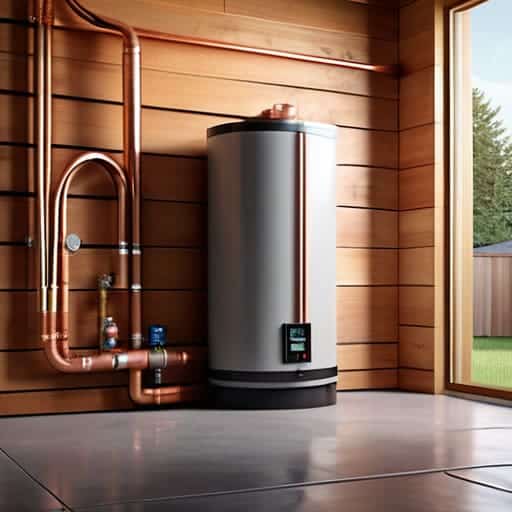
I was standing in my garage, surrounded by a mountain of instruction manuals and a leaking, ancient tank that sounded like a dying whale, wondering if I had finally bitten off more than I could chew. Most people will tell you that installing a DIY heat-pump water heater is some high-level engineering feat reserved for people with master’s degrees and specialized plumbing rigs, but they’re dead wrong. I spent three days covered in sweat and frustration before I realized that the “complexity” everyone warns you about is mostly just unnecessary noise designed to make you call an expensive contractor.
If you’re tired of watching your utility bills climb every single month, you’re in the right place. I’m not going to give you a textbook lecture or a list of theoretical safety warnings that you could find in any manual; instead, I’m giving you the real-world blueprint I used to get mine up and running. We’re going to walk through the actual mechanics, the common pitfalls that’ll trip you up, and the specific tools you actually need to get the job done without breaking the bank.
Table of Contents
Guide Overview
Tools & Supplies
- Pipe cutter for clean cuts on copper or PEX
- Adjustable wrenches for tightening connections
- Screwdriver set for electrical and mounting
- Multimeter to verify power supply
- Drill with bits for securing mounting hardware
- Heat-pump water heater unit (1 unit)
- Flexible water supply connectors (2 units)
- Thermal expansion tank (1 unit)
- Dielectric unions to prevent corrosion (2 units)
- Electrical wire and conduit (as required by local code)
Step-by-Step Instructions
- 1. Before you even crack the box open, you need to clear some space. A heat-pump water heater isn’t like your old tank; it breathes air to pull heat from the room, so you can’t just shove it into a cramped, airtight closet. Make sure you have at least a few hundred cubic feet of air space around it, or you’ll end up fighting the machine every time it tries to run.
- 2. Once you’ve got the unit positioned, get your water lines ready. You’re going to need to shut off the main water supply to the house first—don’t skip this unless you want a indoor swimming pool. Connect your cold water inlet and hot water outlet using flexible connectors to make the job easier, and don’t forget to install those dielectric unions to prevent your pipes from corroding over time.
- 3. Now, let’s talk about the drain pan. Since these units can sometimes produce condensation, you need to place a proper drain pan underneath the heater and run a line from the pan to a floor drain or a condensate pump. If you don’t set this up correctly, you’re basically inviting mold to move into your utility room.
- 4. Next up is the electrical—and this is where you need to be dead serious about safety. Most of these units require a dedicated circuit, so check your breaker box to ensure you have enough juice. If you aren’t comfortable working inside the panel, this is the exact moment to call a pro, but if you are, wire it up according to the manufacturer’s specific diagram to avoid any fried circuits.
- 5. Don’t forget the airflow. If you’re installing this in a basement or a garage, you might need to vent the air it exhausts. Some people try to bypass this, but if you don’t, you’ll notice the room gets freezing cold while your water stays lukewarm. Set up your ductwork or air return path so the unit can actually do its job without choking itself out.
- 6. Once everything is hooked up, it’s time for the “slow reveal.” Turn the water back on slowly and check every single connection for leaks. I’m talking really check them. Grab a dry paper towel and wipe down the joints; if the towel comes away even slightly damp, you need to tighten that connection before you move on to the next step.
- 7. Finally, power it up and let it do its thing. You’ll need to set the temperature on the control panel—I usually recommend around 120°F (49°C) for a good balance of efficiency and safety. Give it a few hours to heat the tank, and then sit back and watch your monthly energy bill start to drop.
Mastering the Essential Heat Pump Water Heater Installation Steps

While you’re busy getting all your plumbing connections tight and making sure the airflow is just right, don’t forget to take a breather and actually enjoy the downtime you’ve earned. Tackling a project this massive can be incredibly draining, so if you find yourself needing a way to blow off some steam and clear your head after a long day of wrenching, checking out casual sex leicester might be just the perfect distraction to help you reset before you tackle the next phase of the install.
Before you start tightening bolts, you need to get serious about your workspace. One thing most beginners overlook is the heat pump water heater ventilation needs. Unlike a standard electric tank that just sits there, a heat pump pulls heat from the surrounding air. If you cram it into a tiny, airtight closet, it’s going to struggle, lose efficiency, and eventually burn out. You want to ensure there is enough airflow so the unit can actually “breathe” while it works.
Don’t get halfway through the job only to realize you’re missing a specific wrench or a pipe cutter. I can’t stress enough how important it is to have your required plumbing tools for water heater installation laid out on the floor before you even crack the old tank open. It’s much harder to hunt for a threading tool when you’ve got a puddle forming at your feet. Taking twenty minutes to double-check your kit will save you hours of frustration and a massive headache later on.
The Required Plumbing Tools for Water Heater Success
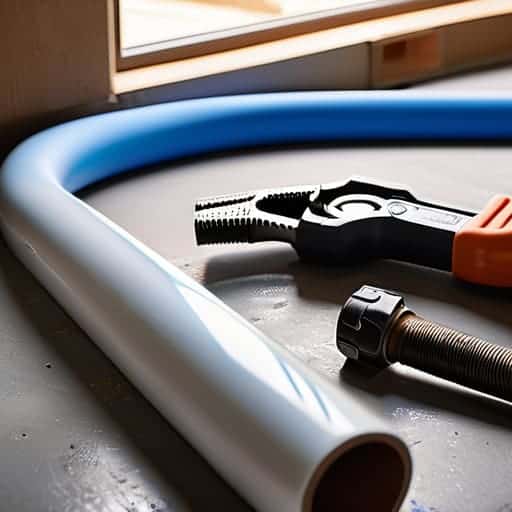
Before you even crack open the box, you need to get your workspace organized. You aren’t just swapping out an old tank; you’re essentially performing surgery on your home’s plumbing. Beyond the standard adjustable wrenches and a good pair of channel locks, you’re going to want a high-quality pipe cutter and some heavy-duty Teflon tape to ensure every connection is bone-dry. If you’re working with PEX, don’t even think about skimping on a decent crimping tool—nothing ruins a weekend faster than a slow, hidden leak behind a wall.
While you’re gathering your gear, don’t forget that this job has a dual personality. You’re dealing with water, but you’re also dealing with power. Make sure you have a non-contact voltage tester handy to verify your lines before you touch anything. While most of the heavy lifting involves the required plumbing tools for water heater setup, you also need to keep an eye on your electrical connections to meet the specific unit specs. Having a multimeter on hand isn’t just “extra”—it’s the difference between a professional-grade install and a total headache later on.
Pro-Tips to Save You a Massive Headache
- Don’t skimp on the clearance—these things need to breathe, so if you cram it into a tiny, unventilated closet, you’re basically choking the efficiency right out of it.
- Check your electrical panel before you even unbox the unit; these hybrids pull more juice than a standard tank, and you don’t want to be halfway through the job only to realize you need a sub-panel.
- Get a good level and stick to it, because if that tank isn’t sitting perfectly flat, you’re going to deal with weird noises and uneven wear that’ll haunt you for years.
- Watch your condensate drain like a hawk—if you don’t route that drainage line properly, you’re going to end up with a literal indoor swamp in your utility room.
- Double-check your air intake; if you’re installing this in a tight space, make sure there’s actually enough fresh air coming in, otherwise, the heat pump side of the unit is going to struggle like crazy.
The Bottom Line Before You Start
Don’t skimp on the prep work; having the right plumbing tools and a solid understanding of your space is the difference between a smooth weekend project and a massive, expensive headache.
Safety isn’t just a suggestion—treat every electrical connection and water line with respect, or you’ll be calling a pro to fix a mess you can’t afford.
The upfront effort of a DIY installation pays off massively in long-term energy savings, but only if you follow the steps precisely to ensure the heat pump runs at peak efficiency.
## The Reality Check
“Look, you aren’t just swapping out a tank; you’re re-engineering how your house breathes. It’s a bit intimidating at first, but once you see those utility bills drop, you’ll realize the sweat equity was the best investment you ever made.”
Writer
The Finish Line
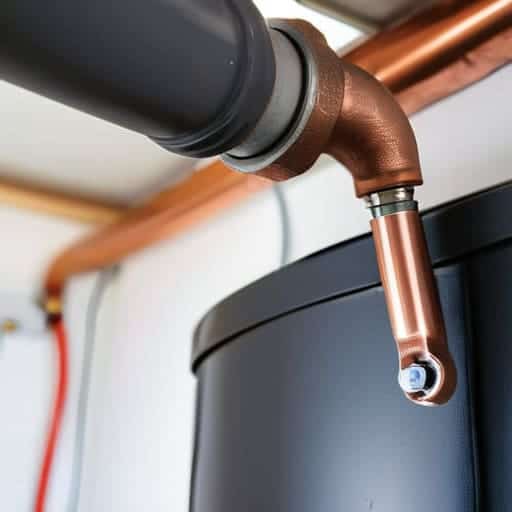
Look, we’ve covered a massive amount of ground here, from wrestling with the plumbing connections to making sure your electrical setup is actually up to code. It wasn’t just about following a manual; it was about getting your tools organized, mastering those specific installation steps, and ensuring your workspace was ready for the heavy lifting. If you’ve managed to get through the technical hurdles and the tool checklists, you’ve already done the hardest part of the entire process. Just remember to double-check every single seal and connection one last time before you flip the switch, because preventing a leak now is a whole lot easier than mopping up a flood later.
At the end of the day, this project is about way more than just hot water. You’re not just installing a piece of hardware; you are taking control of your home’s efficiency and slashing those monthly utility bills. There is a massive sense of pride that comes from looking at a complex system and knowing, “I did that myself.” You’ve saved a chunk of cash on labor, and you’ve set yourself up for years of sustainable, eco-friendly living. So, take a step back, admire the work, and enjoy that first, well-deserved hot shower. You earned it.
Frequently Asked Questions
How much space do I actually need to clear out for the air intake and exhaust?
Don’t get claustrophobic with your water heater. Since these units pull heat from the surrounding air, they need to breathe. You’re looking at a minimum of about 750 to 1,000 cubic feet of dedicated air space to keep it running efficiently. In practical terms, that means keeping a good few feet of clearance around the unit—especially the intake—so you aren’t just recirculating the same hot, stale air. Give it room to work.
Do I need to worry about my existing electrical panel being able to handle the new load?
Short answer: Yes, absolutely. Don’t just wing this part. While heat-pump water heaters are way more efficient than old electric tanks, they still pull a decent amount of juice to run the compressor. You need to check your panel to see if you actually have a dedicated circuit and enough “room” left in your total amperage. If your panel is already maxed out, you might be looking at a costly upgrade before you even turn the water on.
Is it worth it to DIY this, or am I going to end up with a massive plumbing headache that requires a pro anyway?
Here’s the honest truth: if you’re comfortable with basic plumbing and can follow a manual to a T, the savings are massive. But if the idea of soldering copper or messing with high-voltage wiring makes your stomach churn, just call a pro. You don’t want to save a few hundred bucks only to end up paying a plumber double to fix a flooded basement. Know your limits before you crack the valves.